
The U.S. economy is experiencing a period of significant change, with recent data indicating a rise in inflation and adjustments in monetary policy by the Federal Reserve. These developments have far-reaching implications, including for communities like Northfield, Minnesota.
Inflation Trends
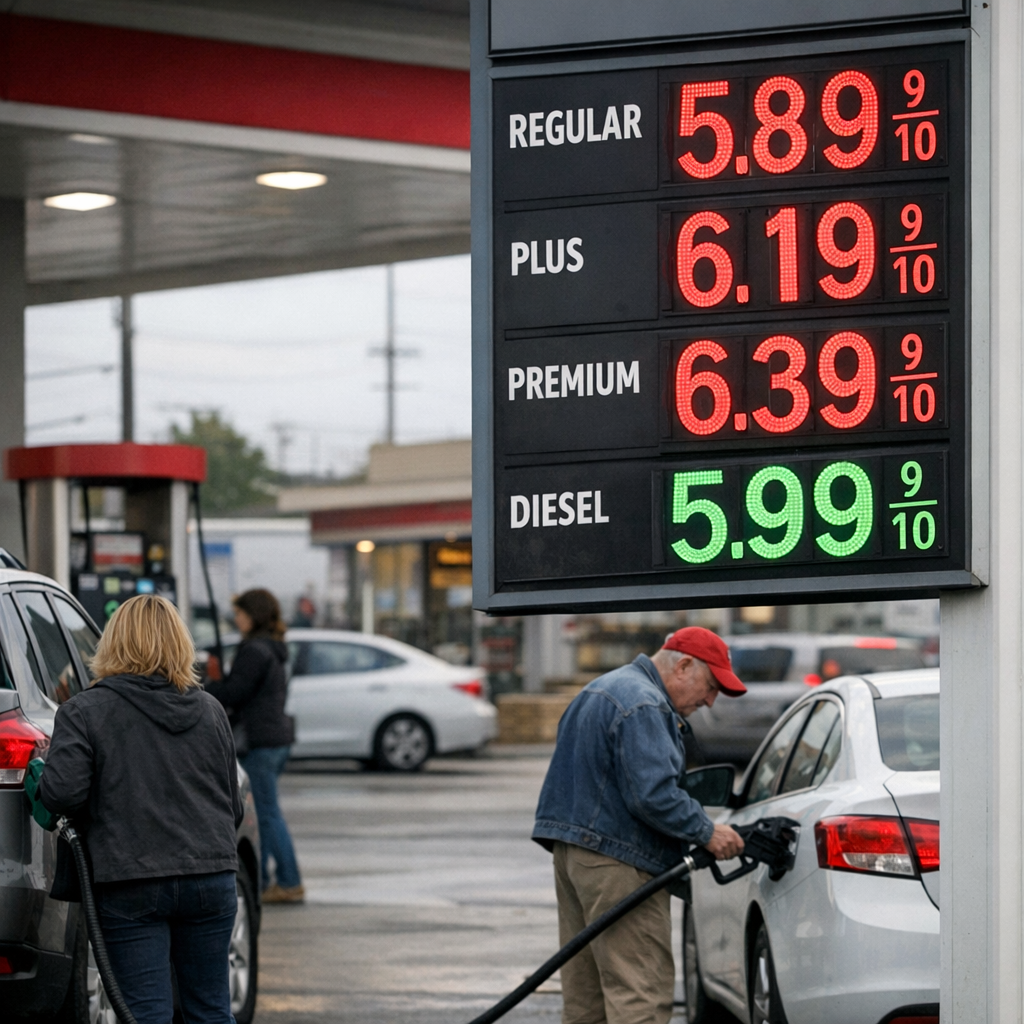
Recent reports show that inflation has risen to 3.8% in April, marking the highest rate in three years. This increase is largely attributed to escalating energy costs, particularly following the military conflict with Iran that began in February. The closure of the Strait of Hormuz has led to a surge in energy prices, with national average gas prices exceeding $4.50 per gallon and some states experiencing prices above $5. This uptick in energy costs has contributed to the overall inflationary pressure on the economy.
Federal Reserve’s Response
In response to rising inflation, the Federal Reserve has indicated a cautious approach to adjusting interest rates. While the Fed has previously cut its benchmark interest rate three times in 2025, it is now considering holding off on deeper cuts unless there is a significant worsening in the job market. This stance aims to balance the need to control inflation with the goal of supporting economic growth.
Impact on Local Communities
For residents of Northfield, these national economic trends can have tangible effects. Higher inflation may lead to increased costs for goods and services, affecting household budgets. Additionally, fluctuations in interest rates can influence borrowing costs for mortgages and other loans, impacting personal financial planning. It’s essential for community members to stay informed about these developments and consider their potential implications on local economic conditions.
As the economic landscape continues to evolve, staying updated on national policies and their local impacts will be crucial for navigating the challenges and opportunities that arise.