
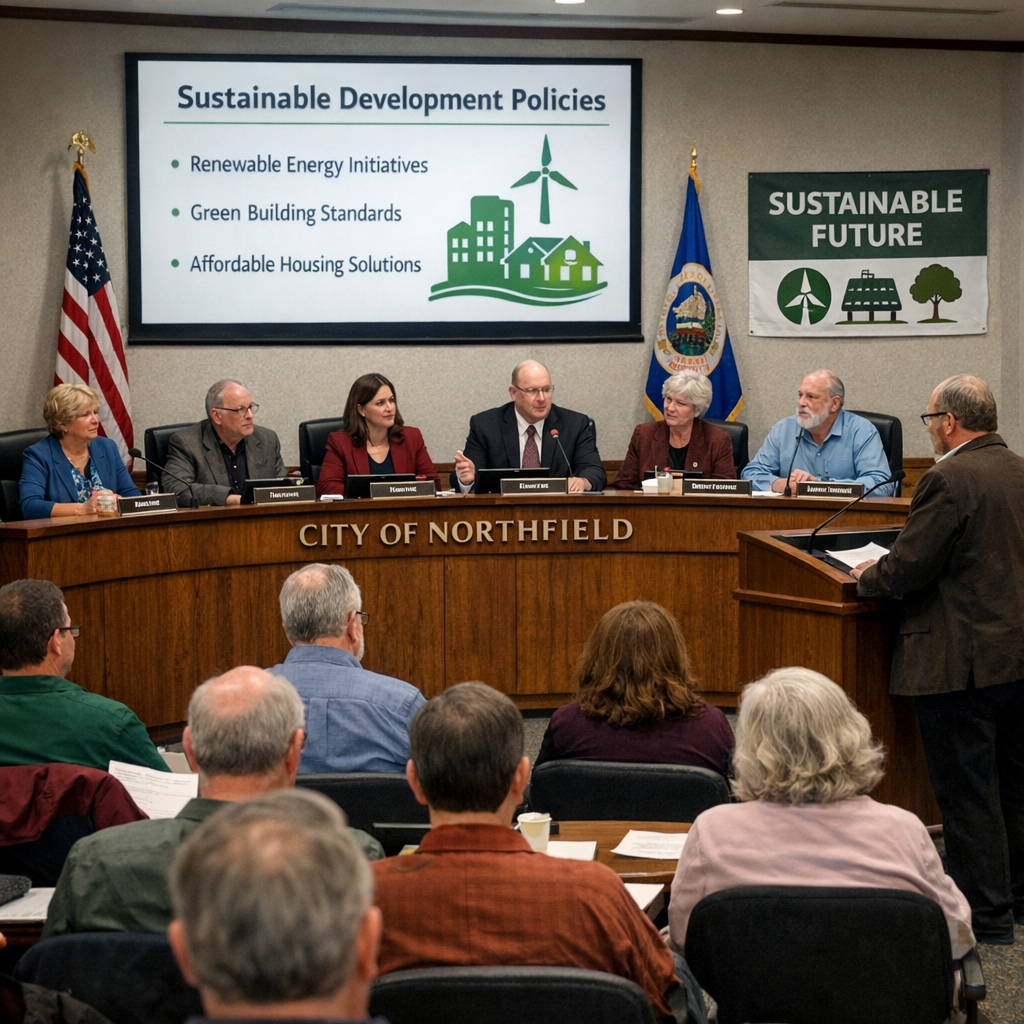
Northfield, Minnesota, is actively pursuing sustainable development to balance growth with environmental stewardship. The city’s approach encompasses infrastructure improvements, housing initiatives, and economic strategies that prioritize sustainability.
Infrastructure Enhancements
Recognizing the need for resilient infrastructure, Northfield has updated its Surface Water Management Plan to address localized flooding issues. The plan includes constructing new storm sewers and installing backflow preventers to mitigate flood risks in vulnerable neighborhoods. These efforts aim to protect both private properties and public spaces from water damage.
Housing and Economic Development
Northfield’s comprehensive plan emphasizes connecting housing and economic security. The city faces challenges such as low rental vacancy rates and rising housing prices, indicating a shortage of affordable housing. Strategies include promoting development patterns and street designs that support diverse housing options, ensuring that those who work in Northfield can also afford to live there.
Environmental Policies and Community Engagement
The city has implemented strict environmental efficiency standards, which have influenced development projects. For instance, these standards have made Northfield less attractive for large-scale data centers, aligning with the community’s commitment to sustainability. Additionally, the city has engaged residents through initiatives like the ‘Dear Northfield’ project, gathering input on public transportation, food security, and housing to inform future policies.
Through these multifaceted efforts, Northfield demonstrates a commitment to sustainable development, ensuring that growth aligns with environmental responsibility and community well-being.